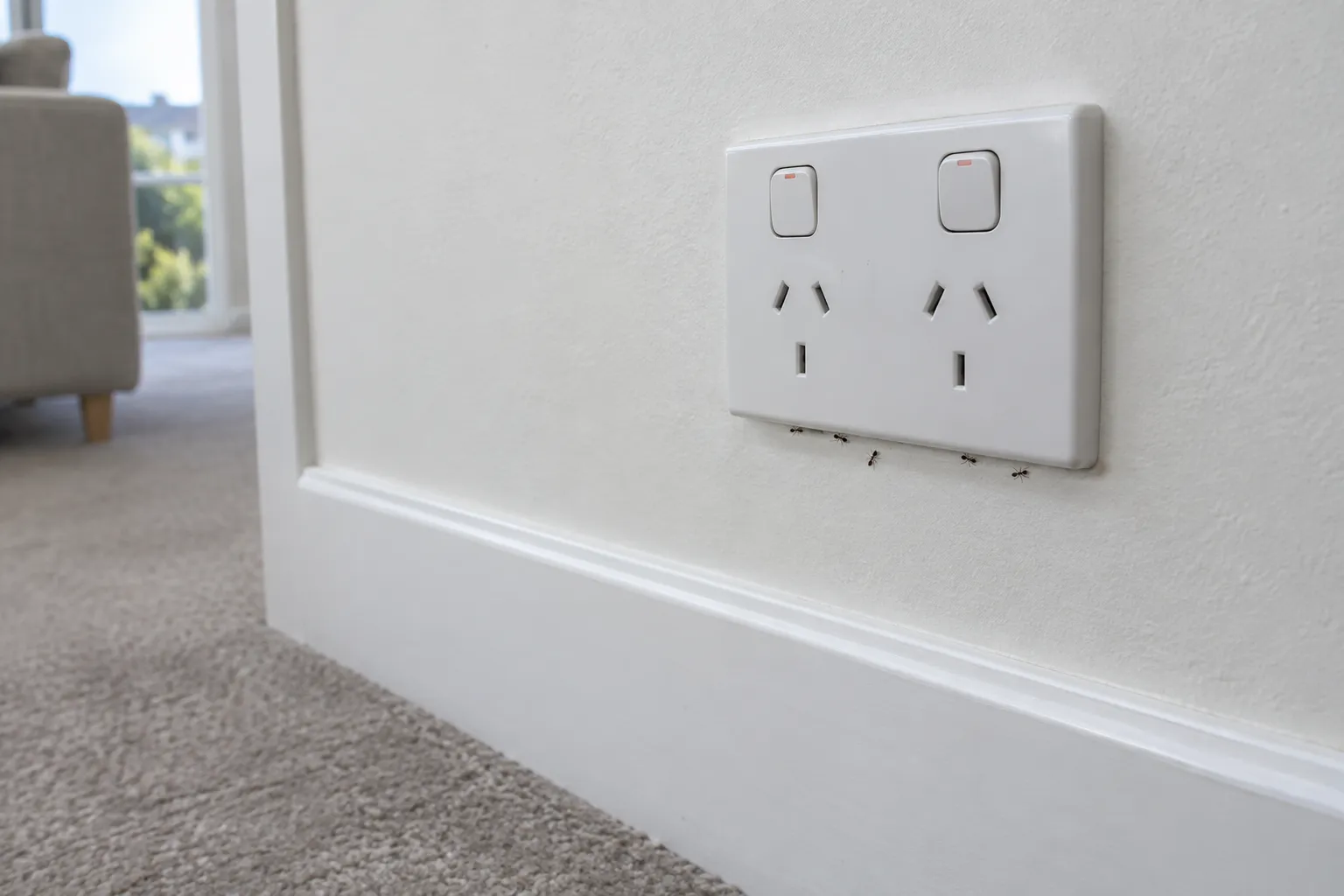
A house with ants coming from the walls, the ceiling or under the floor has a nest inside the building or right against it, and that's the job a professional ant treatment is built for. A local specialist identifies the species, finds where the colony lives and treats the house inside and out with products that aren't sold in supermarkets. If you've only got a trail on the bench, try the steps in our guide on how to get rid of ants in the house first. If they keep coming back, this page explains what a treatment involves, what changes the price and how to get quotes from Auckland specialists.
What does a professional ant treatment in the house involve?
A professional ant treatment usually starts with an inspection to identify the species and find the nests, then baiting or a non-repellent treatment inside, a treatment around the outside of the house, and often a follow-up visit. The exact method depends on the ant. Argentine and white-footed ants usually need a programme, not one visit.
What a specialist can do that's hard to do yourself:
- Identify the ant. White-footed house ants, Argentine ants and Darwin's ants all need different handling. A wrong guess wastes weeks of baiting.
- Treat the hidden nests. Wall cavities, ceiling spaces, subfloors and the gaps under cladding are where indoor colonies live. Specialists can reach them without spraying near wiring or food.
- Use restricted products. Landcare lists several non-repellent products used against ants in New Zealand that are for approved handlers only. Growsafe notes that the law requires an approved handler to buy or use the most toxic categories of pesticide.
- Treat the boundary. Most indoor ants are part of a colony outside. A perimeter treatment around the foundations, paths and fences stops reinvasion.
Ask each specialist what they'll do on the first visit, whether a follow-up is included, and how long the treatment is expected to last.
Which ants nest inside Auckland houses?
The white-footed house ant is the ant most often found nesting inside Auckland houses, in wall cavities, ceilings and subfloors. Argentine ants mostly nest outside but forage indoors in huge numbers and can move into walls and beds. Consumer NZ names these two as New Zealand's main house invaders.
| Ant | How to tell | Where it nests | Why it's hard |
|---|---|---|---|
| White-footed house ant | Black or dark brown, pale feet, about 3 mm | Wall cavities, ceilings, subfloors, under bark | Baits often fail because workers don't share them |
| Argentine ant | Light honey-brown, 2 to 3 mm, wide fast trails | Under wood, stones and pot plants, linked nests | Many queens, super-colonies, reinvades from neighbours |
| Darwin's ant | Small and brown, strong smell when crushed | Gardens and pot plants | Big numbers indoors when looking for sugar |
Landcare notes white-footed ant colonies can occupy many nests and hold millions of ants. Consumer NZ quotes one pest controller saying success against them can mean baiting inside and out for about two years. That's why a professional plan is worth asking about.
When do you need a specialist for ants in the house?
You need a specialist when ants are nesting inside the structure, when baiting hasn't worked after a few weeks, or when the ants are white-footed or Argentine ants in large numbers. Those colonies spread across many nests, and over-the-counter products often kill foragers without reaching the queens, which can split the colony.
Signs it's past a DIY job:
- ants come out of power points, light fittings, skirting boards or the ceiling,
- you've baited for two or three weeks and the trails are no smaller,
- the ants are in the bedroom, in beds or in electrical equipment,
- winged ants are emerging inside the house,
- you're a landlord or run a food business and need the job done properly first time.
Landcare also notes Argentine ants get into electrical areas, and that households carry most of the cost of treating them. Getting a few quotes early is usually cheaper than months of supermarket products.
What affects the price of treating ants in the house?
The price depends mostly on the size of the house, whether inside, outside or both are treated, which species you have, and whether follow-up visits are included. A single standard treatment for a typical Auckland home is commonly priced in the low hundreds of dollars. White-footed and Argentine ants often need a programme that costs more over time.
The main factors:
- Size of the house. Published prices are usually for up to two or three bedrooms. Larger homes cost more.
- Inside, outside or both. Treating both costs more than one, and usually lasts longer.
- The species. White-footed ants usually need repeat treatments.
- Access. Subfloors, ceiling spaces and two-storey cladding take more time.
- Follow-ups and warranties. Some prices include a return visit or a warranty period. Ask what's included.
- Neighbouring properties. A specialist can only treat to your boundary. Consumer NZ notes results last longer when neighbours treat too.
For published Auckland prices, see our page on ant control cost in Auckland.
How do you prepare the house for an ant treatment?
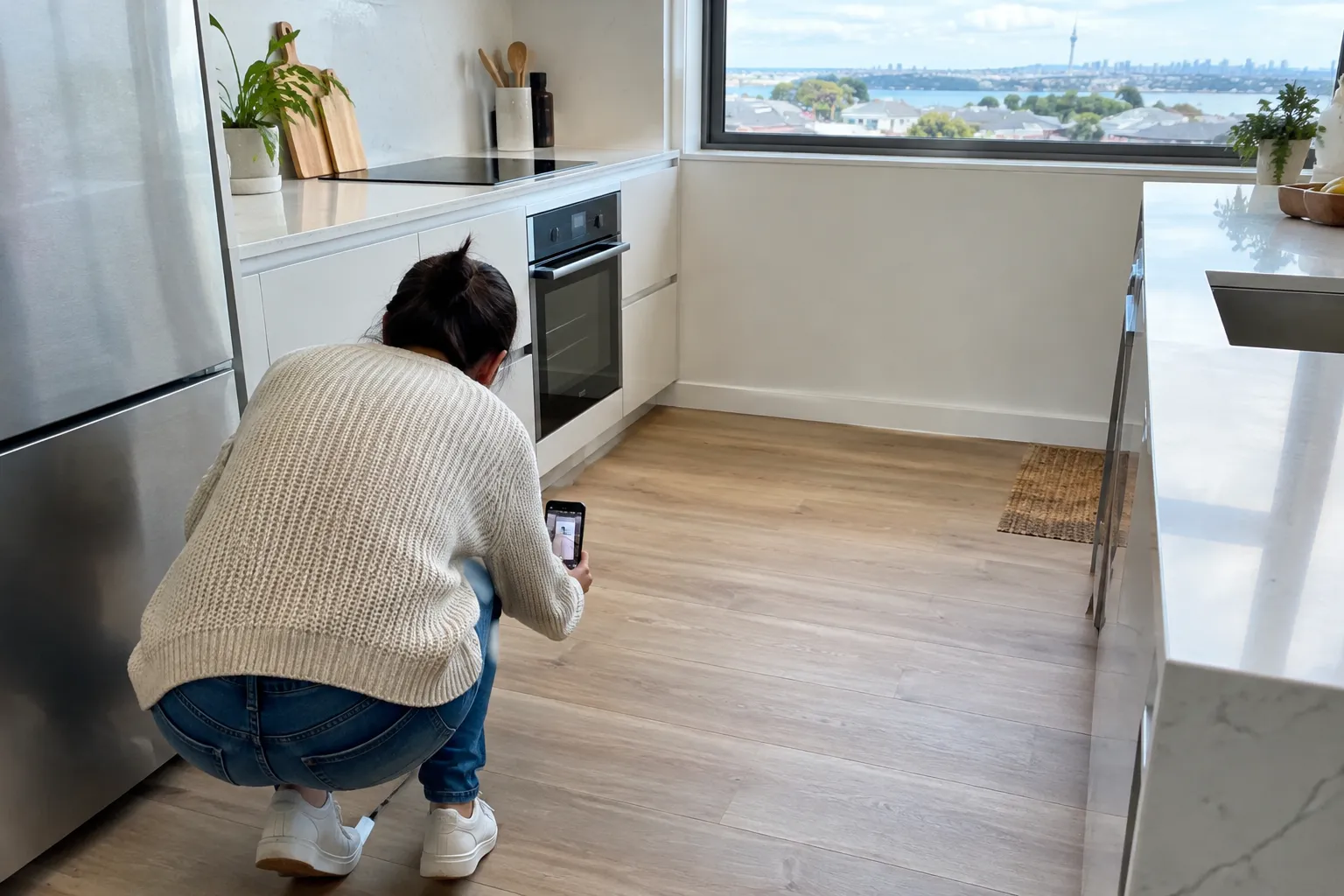
Before the visit, clear the areas the specialist needs to reach, such as under the kitchen sink, the pantry floor and the edges of the rooms where ants have been seen. Stop spraying and wiping trails for a day or two, so the specialist can see where they run. Ask whether pets and children need to stay out of treated areas, and for how long.
Useful things to have ready:
- photos of the ants and the trails, and where they appear,
- a list of what you've already used, with the product names,
- where you've seen winged ants or nests outside,
- whether neighbours have ants too.
Questions people ask
How long does an ant treatment take?
The visit itself depends on the size of the house and how easy the subfloor and ceiling are to reach, so ask when you book. The ants don't disappear that day. Baits and non-repellent treatments work over days to weeks as the ants carry them back to the nest. Wall-nesting colonies of white-footed ants can take several visits over months.
Do I need to be home for an ant treatment?
Usually someone needs to be home to let the specialist in and show them where the ants are, at least for the first visit. Outside-only follow-ups can often be done while you're out. Ask when you book, and ask how long to keep pets and children off treated areas.
Will ants come back after a professional treatment?
They can. Argentine and white-footed ants spread across properties, so reinvasion from untreated neighbours is common in Auckland. Ask each specialist what follow-up or ongoing plan they offer. Keeping food sealed and drips fixed makes your house much less attractive to the next colony.
How do I find the ant nest in my house?
Watch the trail at the warmest part of the day and follow it back. Trails usually lead to a gap in a wall, skirting board, window frame or pipe entry, and from there to a nest inside a cavity or outside the house. If the trail disappears into a wall, the nest is likely inside it.
Is it safe to have ants treated with kids and pets in the house?
Products used by professionals are applied to strict label directions, and many are baits placed out of reach. Ask the specialist which products they use, where they'll put them, and how long children and pets should stay off treated surfaces. Keep the product names in case you ever need to call the National Poisons Centre.
Sources
Last updated